Creative design and print production form the backbone of most business marketing programs. Brochures, flyers, catalogs, business cards, point-of-sale displays, promotional packaging — these physical materials represent a business in the hands of customers, prospects, and partners. Getting them right requires understanding both the creative and the technical dimensions of the production process.
The Design Process: From Brief to Art Direction
Professional print design begins with a deep understanding of the business objective. What action should the piece inspire? Who will see it, and in what context? What information must it convey, and in what order of priority? These questions drive every creative decision — from the choice of typeface to the balance of imagery and copy to the selection of paper stock.
Effective print design respects a fundamental constraint: paper is static. Unlike digital media, print cannot update, animate, or respond to user behavior. This constraint is also a strength — a well-designed print piece commands sustained attention in a way that screens often cannot.
Typography in Print Design
Typography is the silent workhorse of print design. The typeface, size, leading, tracking, and hierarchy of text on a page guide the reader's eye, establish tone and personality, and determine whether content is legible at a glance. Designers working with print must understand the difference between screen fonts and fonts optimized for print, the role of point size versus cap height, and the relationship between line length and leading in maintaining comfortable readability.
Color in Print Production
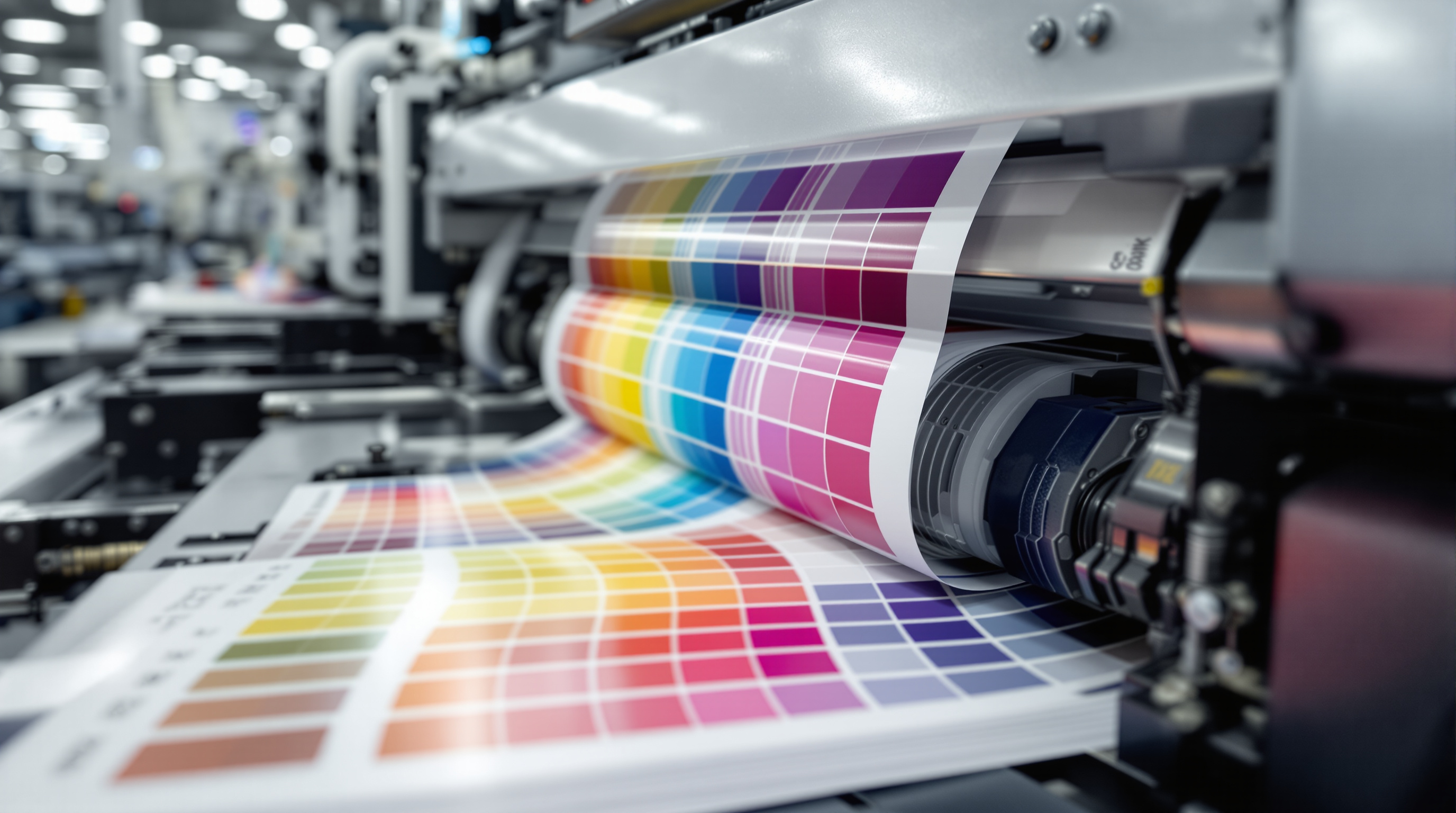
Color management is one of the most technically demanding aspects of print production. What appears on a computer screen — displayed in RGB light — must be faithfully translated to CMYK ink on paper. Spot colors (Pantone matching system) offer a solution for the most critical color applications, providing precise, repeatable color for brand consistency across all printed materials.
Novelty & Promotional Items
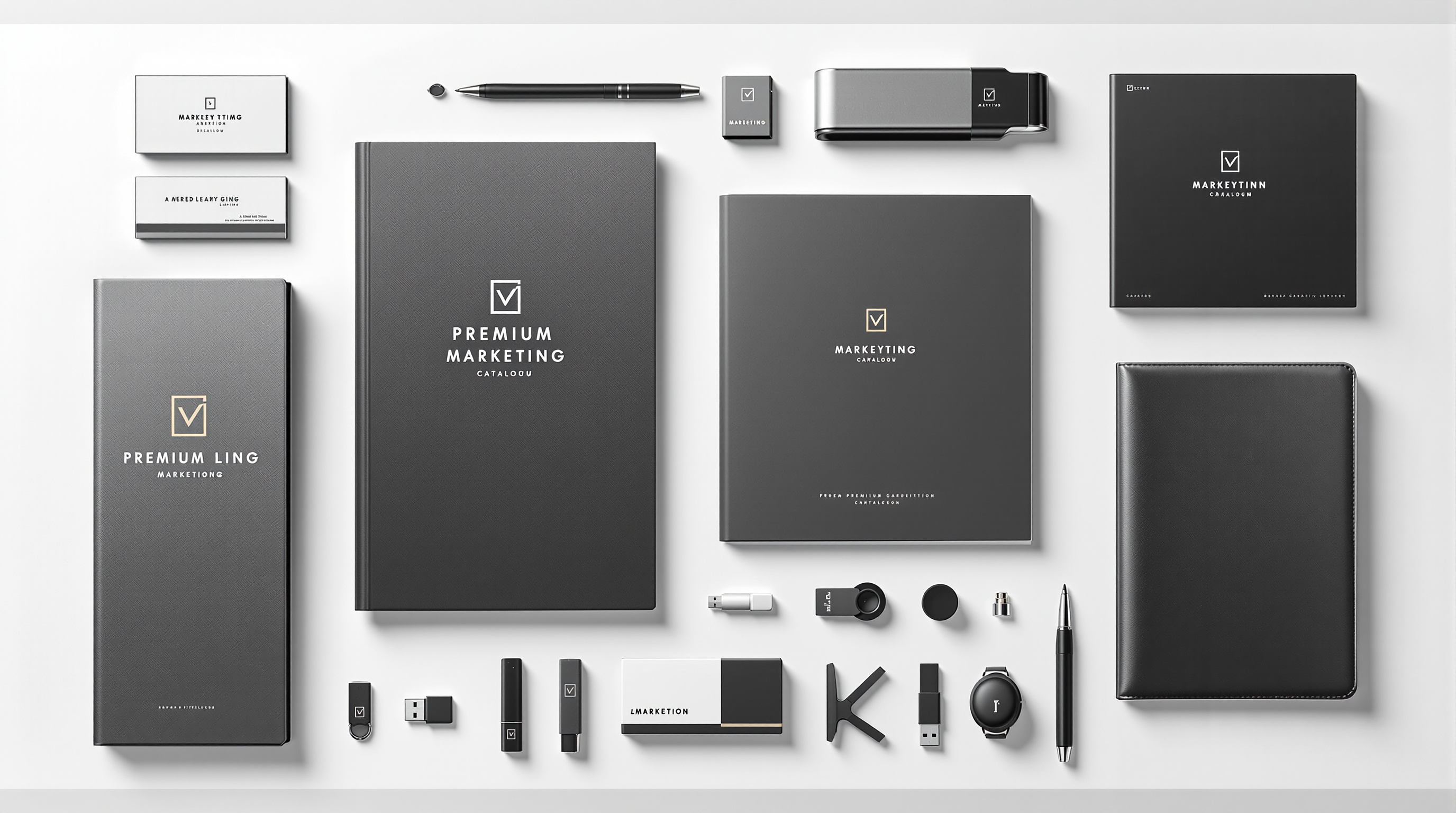
Beyond conventional print, promotional items extend brand presence into customers' daily lives. Pens, bags, apparel, custom packaging, and branded merchandise create repeated brand exposures with high perceived value relative to cost. Successful programs select items that align with the brand personality and that recipients will actually use — extending the advertising impression timeline from a single event to weeks or months.
Digital Printing vs. Offset Printing
- Digital printing — ideal for short runs, variable data, quick turnarounds. Per-unit cost is higher but setup cost is lower.
- Offset printing — superior color consistency, economical for long runs. Setup costs are higher but per-unit costs decrease significantly at volume.
- Large format printing — enables banners, posters, and displays up to several meters wide. Widely used in events, retail, and outdoor advertising.
Working with Print Vendors
A skilled print vendor is a creative partner, not just a commodity supplier. Key factors to evaluate include equipment capabilities, quality control processes, project management competency, and communication responsiveness. Always request printed samples before committing to a new vendor, and establish clear proof approval processes — including wet proofs for critical color work — before running the final press sheet.
Sustainability in Print Production
Environmental considerations have moved from a nice-to-have to a genuine decision factor in print production, driven by both client expectations and cost. Practical choices include specifying recycled or responsibly sourced paper stocks, favoring vegetable-based inks over petroleum-based alternatives, and designing layouts that make efficient use of the press sheet to minimize trim waste. Certifications such as those from the Forest Stewardship Council give buyers a verifiable signal that paper has been sourced responsibly.
Sustainability and quality are not opposing goals. Right-sizing a print run to actual demand avoids the waste of over-ordering, while thoughtful format and finish choices can reduce material use without compromising the finished piece. Increasingly, a considered approach to environmental impact is itself part of the brand message that printed materials carry into a customer's hands.