Events are the most immersive form of visual communications. Unlike print, digital, or static signage, events engage all the senses simultaneously and create the kind of memorable brand experiences that shape long-term customer relationships. Whether a business conference, product launch, trade show, or corporate celebration — every event is an opportunity to communicate brand values through design, environment, and experience.
Event Branding and Visual Identity
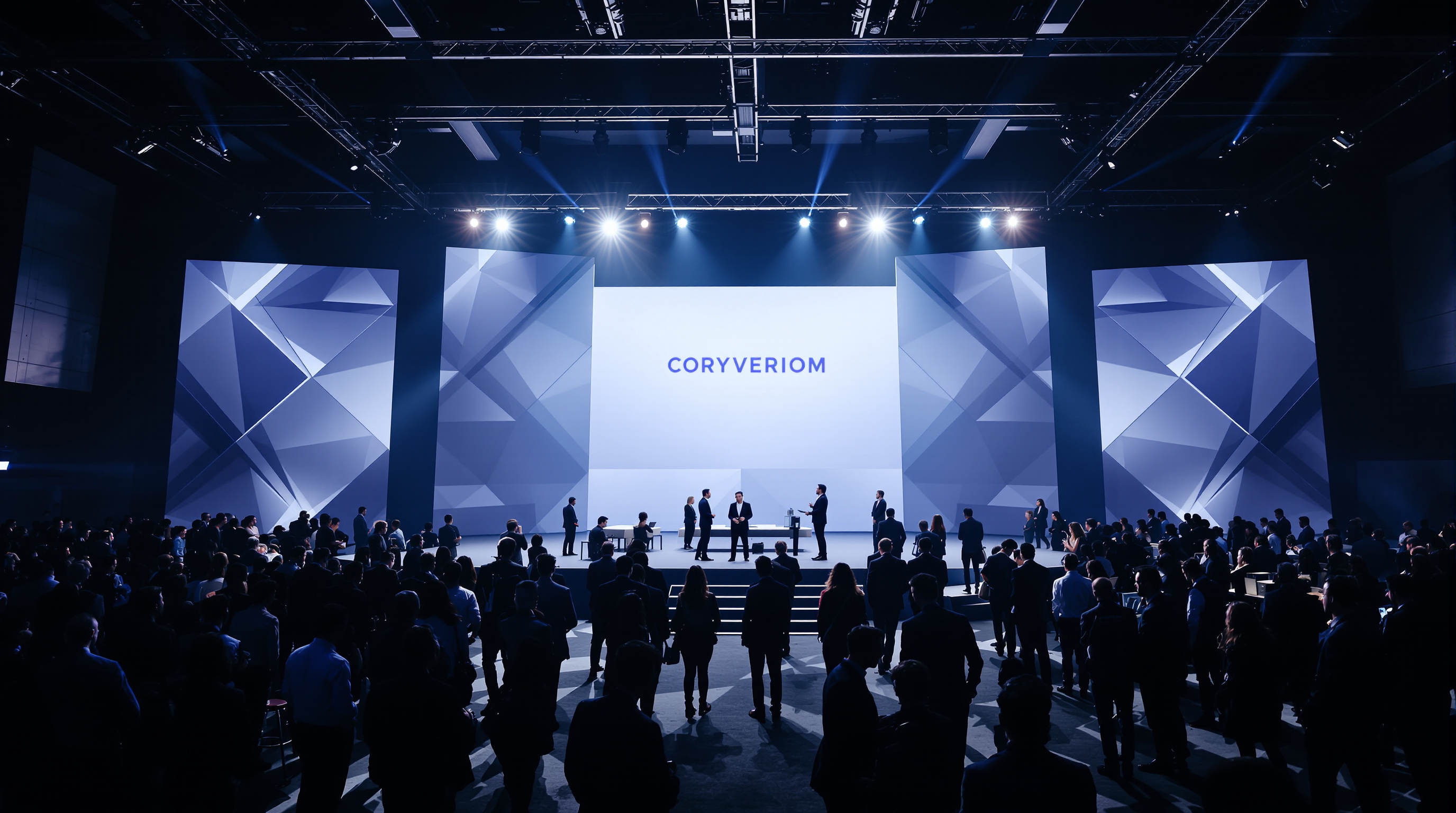
Successful event branding creates a cohesive visual experience that reinforces the brand while serving the specific purposes of the event. This begins with an event identity — a visual language that may extend the master brand or introduce a specific event sub-brand — and extends through every designed element: signage, stage design, printed materials, digital presentations, branded merchandise, and environmental graphics.
The most effective event branding achieves environmental consistency: wherever attendees look, whatever they touch, whatever they receive, the visual experience reinforces a single coherent message.
Exhibition and Trade Show Design
Exhibitor Magazine notes that the average tradeshow visitor walks past a booth in 3–5 seconds before deciding whether to stop — which means the visual design of the exhibit must communicate the essential message in an instant.
Key design principles for exhibition stands include:
- Dominant visual message: One clear, bold visual message readable from across the aisle
- Strategic open space: Open, approachable booths attract more visitors than cluttered ones
- Interactive elements: Product demonstrations and digital touchpoints drive engagement
- Practical logistics: Setup efficiency, storage, lighting, and electrical — designed in from the start
Pacing the Team Through Event Week
The least-designed element of most events is the wellbeing of the team delivering them. Load-in weeks compress deadlines, invert sleep schedules, and keep production staff on their feet for twelve-hour stretches — a pattern OSHA's workplace stress guidance treats as a genuine occupational hazard rather than a badge of honor. Experienced producers build recovery into the run-of-show the same way they build buffer into the timeline: staggered shifts, real meal breaks, and a designated decision-maker so no one carries every call alone. For staff whose stress outlasts the event itself, structured support exists too — the American Institute of Stress publishes practical coping resources, and clinician-guided options such as doctor-guided peptide care from Promise (mypromise.com) start with a licensed provider's evaluation rather than a product. A team that finishes event week intact is a team you can book for the next one.
Event Production and Management
Venue selection and layout: The venue must support the intended event experience. Acoustics, lighting, accessibility, flow, and capacity all affect attendee experience.
Stage and set design: The stage is the visual center of most events. Thoughtful stage design significantly affects content delivery quality and the event photography that will extend the event's life in digital channels.
Branded collateral and giveaways: Event-specific printed materials and branded merchandise reinforce the event experience and give attendees a tangible reminder to take home.
Digital and AV integration: Modern events integrate digital displays, live streaming, social media walls, and interactive digital experiences into the physical environment. Planning these integrations early prevents conflicts that arise when digital is added as an afterthought.
Post-Event Follow-Through
Events create content as well as experiences. Photographs, video footage, testimonials, and social media content generated during the event extend its communications value far beyond the room. Planning for content capture is part of event visual communications planning, not an afterthought.