The best way to understand visual communications is through the work itself. The following case studies draw on common project types to illustrate how design decisions translate into business outcomes.
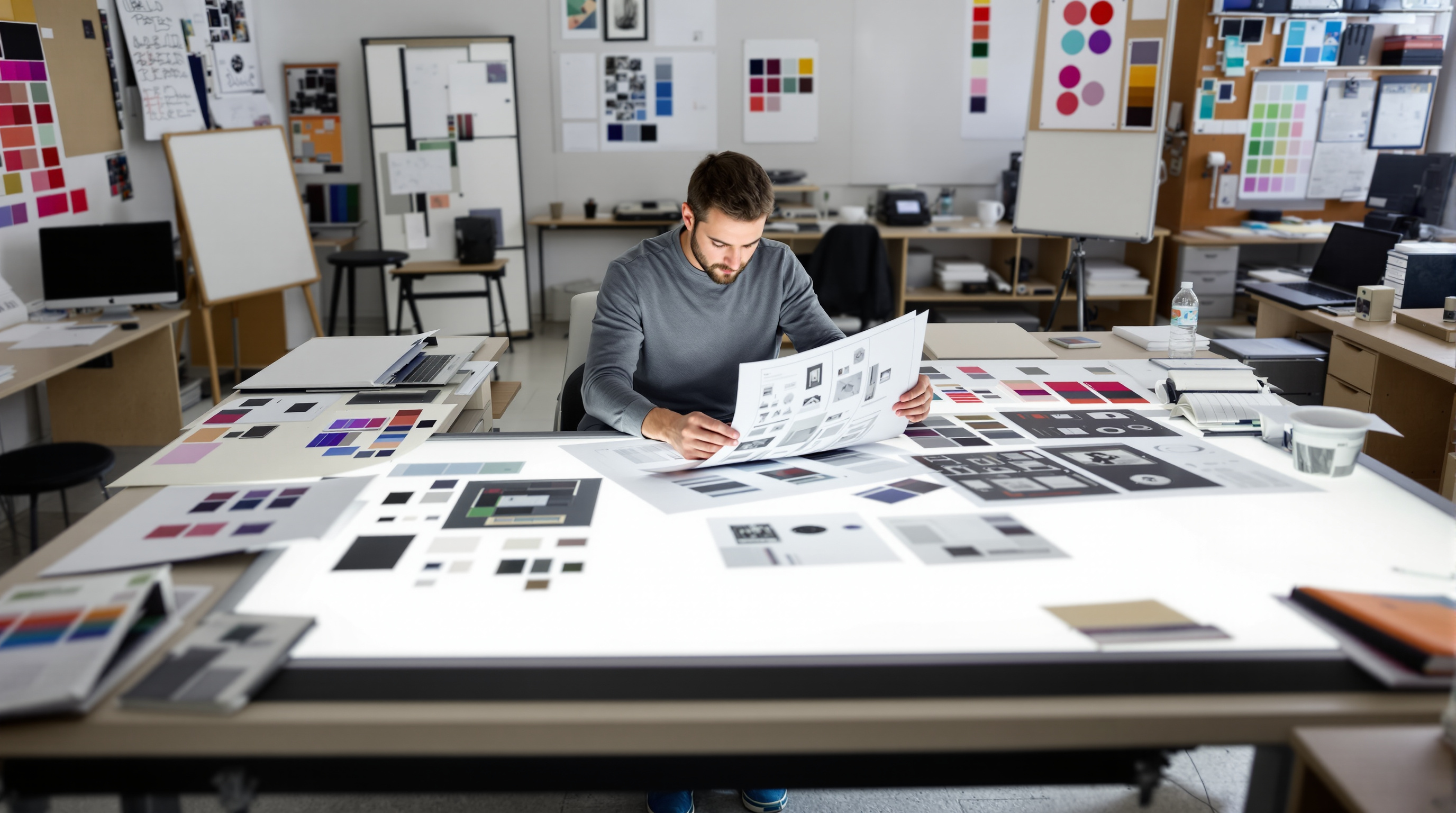
Print Campaign: Retail Seasonal Promotion
A regional retail chain was not driving the foot traffic or conversion rates they expected from seasonal promotions, despite significant investment in direct mail and in-store materials.
The diagnostic revealed the problem was not reach but resonance. The promotional materials were visually inconsistent with the brand's quality positioning, using generic stock photography and a design vocabulary that looked like every other retailer's sale materials.
The redesign focused on three changes: custom photography that reflected the brand's actual quality level, a tighter typographic system that maintained brand personality even in promotional contexts, and a unified visual language across direct mail, in-store point-of-sale displays, and window graphics. The result was a measurable increase in response rates compared to the previous season's campaign.
Signage System: Commercial Property Wayfinding
Commercial properties present complex wayfinding challenges. Visitors may be approaching from multiple access points, seeking specific tenants, trying to locate amenities, or navigating to service areas. Without a coherent wayfinding system, frustration follows.
A comprehensive wayfinding project begins with a site audit that maps all movement patterns, identifies decision points where navigation choices must be made, and catalogs all audiences. This audit drives the signage hierarchy — which signs must exist, where they must be located, and what information each must convey.
The design system that follows must be legible at relevant viewing distances, durable in the environmental conditions of the installation, consistent with the property's brand identity, and flexible enough to accommodate changes over time.
Event Design: Annual Industry Conference
Annual conferences present a recurring design challenge: maintaining brand consistency with the event's established identity while delivering a fresh experience each year. A typical annual conference design project includes developing a theme and visual language for the specific year's event, designing all environmental graphics, producing printed collateral, and briefing the AV team on brand standards for digital presentations.
Key success factors include early engagement with the venue and AV team — constraints they can identify will save expensive redesign later — and building flexibility into the design system for the inevitabilities of last-minute changes.
Novelty and Promotional Items
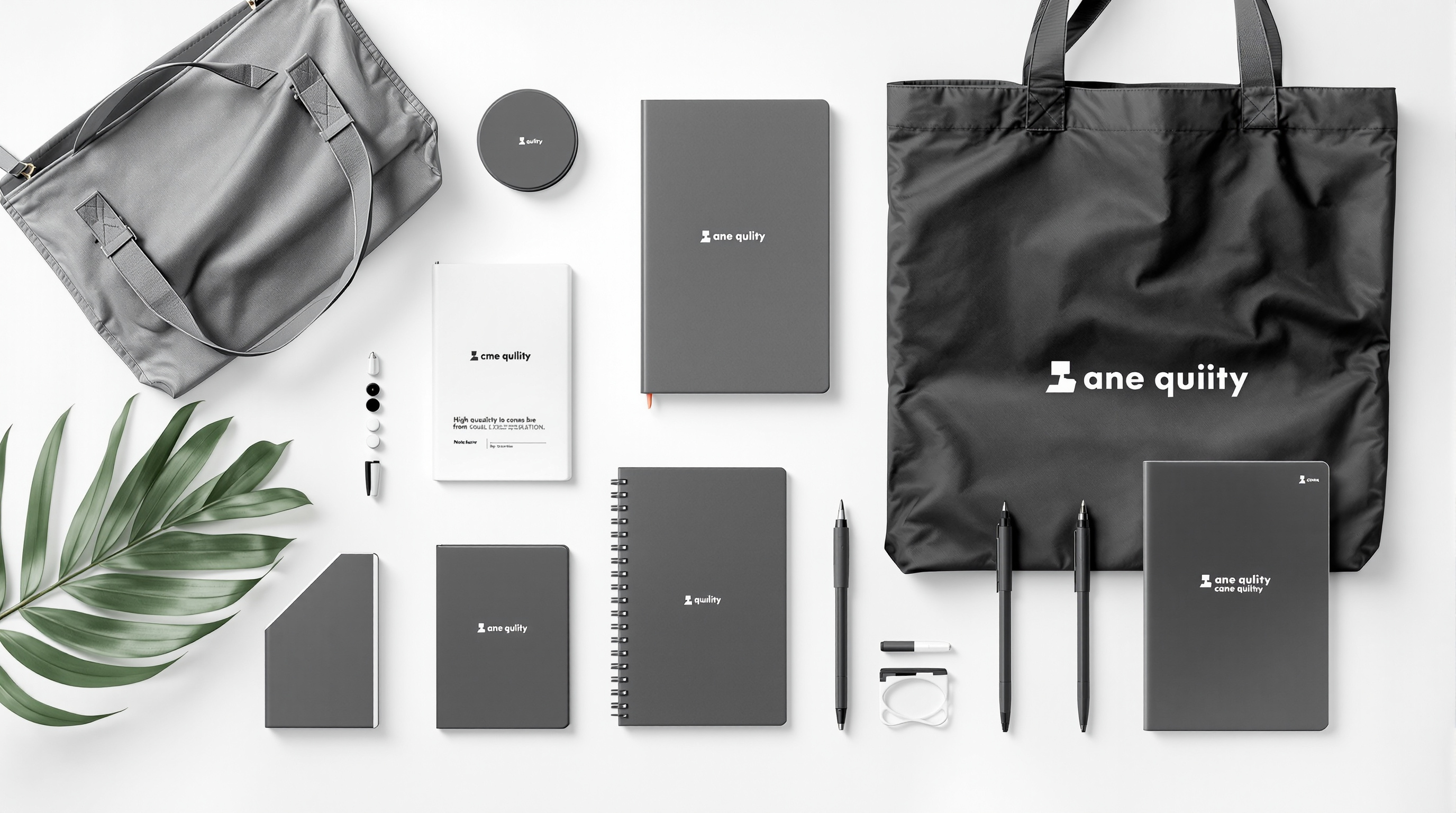
Custom novelty and promotional items extend a brand's visual presence into everyday contexts. When well-designed, these items create consistent brand exposures at a cost per impression that is extremely competitive with traditional advertising. The most effective promotional items are those that recipients genuinely value and use. Investing in quality over quantity is almost always the right decision.